How recognition, trust, and vulnerability shape the work we remember.
As long as I can remember I've believed that stories are the most powerful tool humans have. Not in the literary sense, but in the way that stories are how we make meaning out of the raw chaos of being alive. Ursula K. Le Guin wrote that if we never find our experience described in stories, we assume our experience is insignificant. I've carried that line around for twenty years and it still stops me cold.
I think about this constantly in the context of work. Because most people's experience of work is largely undescribed. You show up, you do things, you go home. If you're lucky, your manager notices some of it during review season and writes a few paragraphs from memory.
But the late nights nobody saw, the teammate you pulled aside when they were struggling, the quiet decision that saved the team three weeks of pain — those moments go unwitnessed and untold. And when your story at work goes consistently untold, something corrosive happens. You start to wonder if it mattered. If you mattered.
That's a bit bigger than a morale problem, with some going as far to call it a "loneliness epidemic." You can sit in standups every morning, have a full Slack sidebar of colleagues, and still feel profoundly alone if nobody is sharing anything that matters with you.
This is why I work at Bonusly.
The fundamental bet we're making is that when you give people a simple, low-friction way to tell each other's stories — "here is what this person did, here is who it affected, here is why it matters" — something changes. Not in some grand, company-culture-in-a-box way. One story at a time.
The power of being witnessed
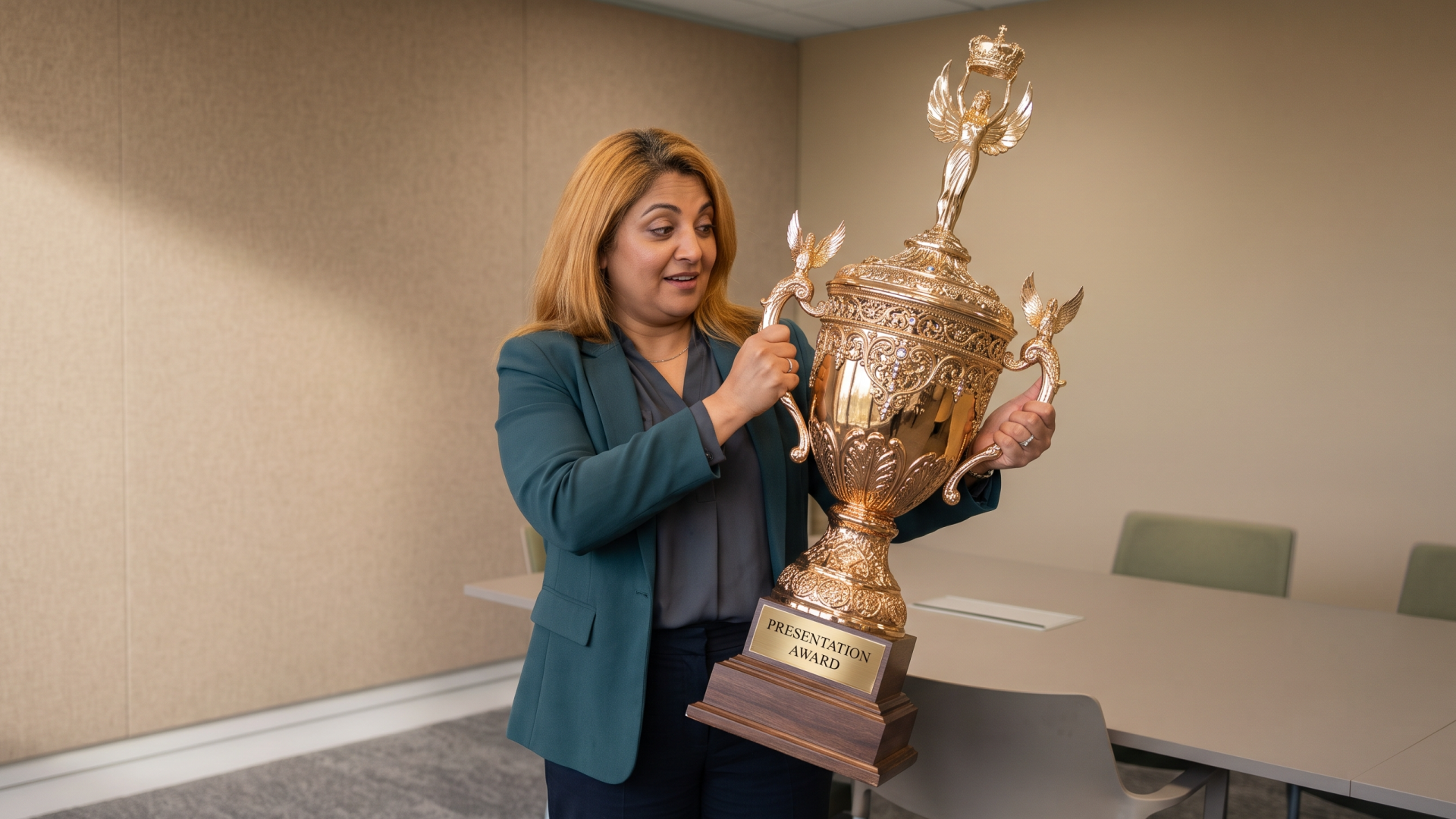
I ran a CrossFit gym for years. One of the most powerful things I witnessed was what happened when someone finally nailed a skill they'd been working on for months. The whole room would stop and cheer. Not because anyone was keeping score, but because in that moment a room full of people became witnesses to someone's struggle and said, "We see what you just did."
That person's story suddenly had an audience. And I watched people's entire relationship with themselves change because of it. They'd walk taller. Show up more consistently. Start witnessing others in return.
Something else happened alongside the cheering, something I didn't have language for at the time. All that witnessing was building trust. Not the corporate trust-fall kind. The real kind, the kind that accumulates slowly when someone proves over and over that they're paying attention to your life.
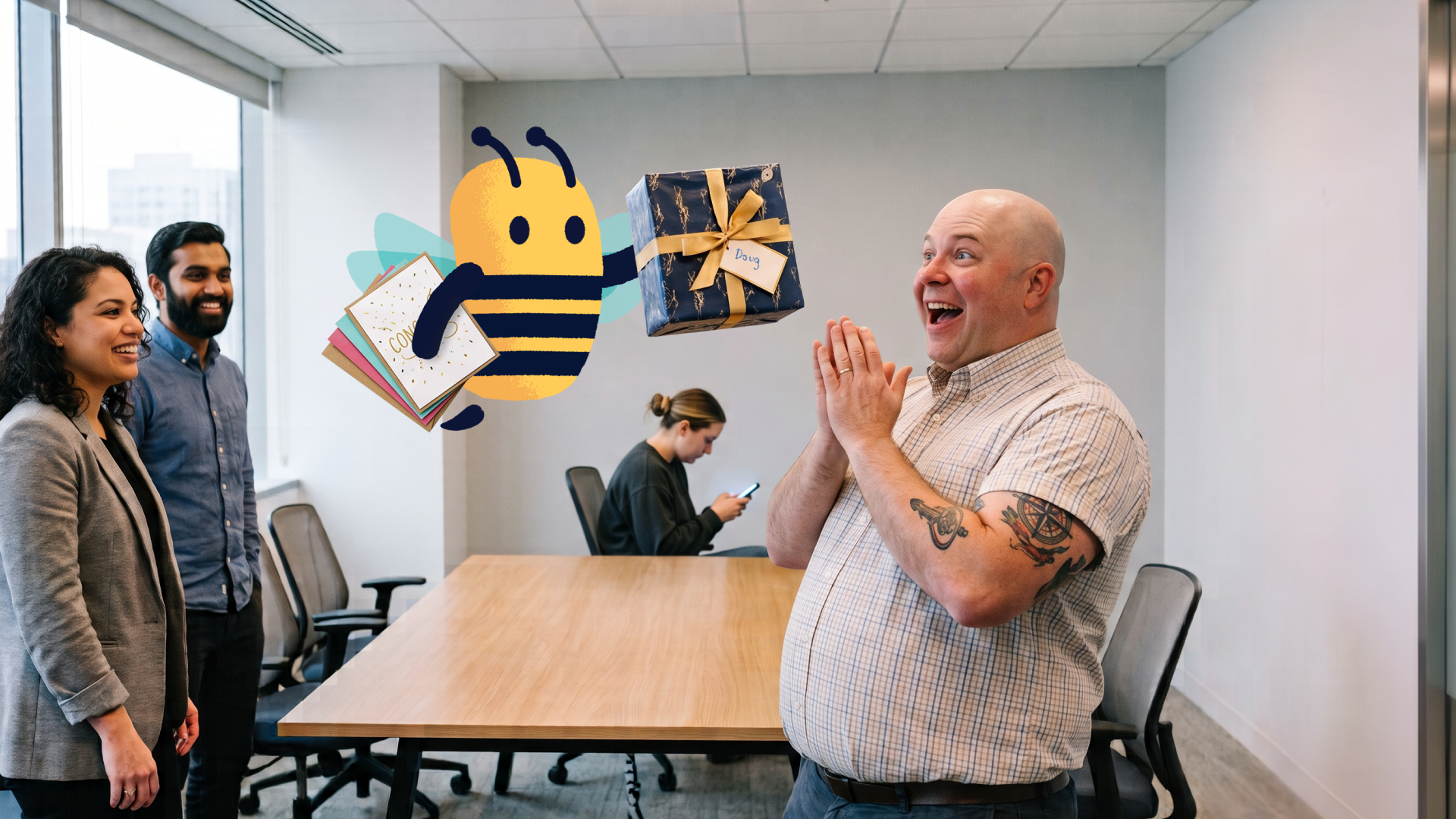
Recognition at work is the same thing, when it's real. When someone writes a few genuine, specific words about a colleague, words precise enough to prove they were actually paying attention, they are doing something ancient and essential. They are saying: I was here. I saw you. Your story matters to me.
And every time that happens, the relationship gets a little braver.
But recognition is only half of what we're building.
Who gets to write your year?
"Performance management."
Even the phrase makes people flinch. Annual reviews where your year gets compressed into a number by someone who can't possibly remember what you did in February. A process both sides of the table despise, designed not for people but for the organization's need to document and evaluate.
What strikes me most about the traditional approach is that it's fundamentally a failure of storytelling. One author — your manager — attempting to write the definitive account of your year from a vantage point where they witnessed maybe twenty percent of the actual plot. The result is a story so incomplete it borders on fiction. And then you're asked to sit across a table and accept it as the truth of who you've been.
What if the story of your performance got written continuously, by many authors, in real time?
That's what we're building. 1-on-1s where the context isn't a blank page but a living stream of what peers and collaborators have noticed: specific moments, in their own words. The colleague who recognized you for rearchitecting a solution that saved the team two weeks. The new hire who called out how your patience during onboarding made them feel like they belonged. The cross-functional partner who noticed you holding a complicated project together when nobody was looking. Not a story written about you once a year. A story written with you, all the time.
There's a kindness in this that doesn't get talked about enough. The annual review is unkind not because managers are cruel but because the structure forces cruelty: compressing twelve months of nuance into a rating, delivering feedback about something that happened eight months ago when nobody can remember the context. Continuous performance is kinder because it's more honest. It treats people like evolving beings who need timely feedback the way they need water — regularly, in small amounts, not once a year from a firehose.
And here's the thing about honest stories: they aren't all highlight reels. No good story is. The stories that actually move us, that we recognize as true, are the ones that include the struggle. The quarter where you were underwater and had to ask for help. The skill you've been working on for a year that still isn't where you want it to be. A performance narrative that only captures the good moments isn't a story; it's a press release. And people can feel the difference.
But struggle is only shareable where trust already exists. Nobody posts their failures to a room that hasn't earned it.
This is what I watched happen at the gym, after the cheering. The part most people don't see. Once someone had been witnessed enough times, once they trusted that the room actually cared about their story and wasn't just being polite, they'd start to open up about the things they couldn't do yet. You'd hear people after class comparing weaknesses the way they used to compare PRs. "My overhead squat is a disaster, what did you do to fix yours?" They'd ask for advice. They'd try things in front of people and fail and try again. They struggled in public, and the people who had witnessed their wins became invested in their next chapter. The growth that came out of that was something solo training could never touch.
Growth needs an audience
Recognition builds trust. Trust makes vulnerability possible. And vulnerability — the willingness to let people see you where you're still becoming — that's where the actual growth happens. Not in the highlight reel, but in the witnessed struggle.
When the conversation is continuous and the contributors are many, there's room for that full arc. Room for a manager to notice early that someone is struggling and step in with support rather than documenting a failure eight months after the fact. The struggle stops being something to hide and becomes what it actually is: the part of the story where the growth happens.
And when performance shifts from evaluation to growth, something else becomes possible.
In most organizations, "peer feedback" is top-down in peer clothing. Your manager sends out a form, your colleagues fill it in, you get a sanitized summary. Nobody asked for it. Nobody chose who was asked.
What if instead, you got to choose? What if part of your growth was having the vulnerability to go to the peers you trust — trust that was built one recognition at a time, one witnessed moment at a time — and say "I'm working on getting better at this. Will you watch for it and tell me what you see?"
That requires the courage to admit you're still becoming and to let someone witness that process. And when people do it, the feedback is qualitatively different: more specific, more trusted, more human. The relationship deepens because you've shared something real. Not a form. An act of trust. An invitation to co-author the next chapter.
In turn, the person who witnesses that growth starts to recognize it. Which builds more trust, and makes the next vulnerable ask a little easier. The cycle keeps turning.
Owning your own story
This is what I mean when I say it all comes back to story. Recognition gives people the occasion to tell each other's stories in the moments that would otherwise go unwitnessed. Those stories build the trust that makes vulnerability possible. And the vulnerability of inviting peers into your growth turns it from a story told about you into one you're writing together, struggle and all.
Seeing each other, telling each other's stories, building the kind of trust that lets someone say "I don't have this figured out yet" are deeply human acts. What we're building just makes them easier to do and harder to forget. Makes it more likely that the room leans in rather than looks away.
I realize I'm making a case for HR software that draws on my gym, a speculative fiction author, and twenty-five years of learning what happens when people don't tell each other the truth. But I don't know how to separate what I've learned about being human from what I believe about the work. They're the same thing. You show up. You pay attention. You tell the story you see. And you build something that helps other people do the same.