We anthropomorphize AI. Doing that makes it relatable. AI “thinks.” AI “reasons.”
AI also “dreams.”
We’re a fourteen-year-old recognition company. And we packed all we learned into an AI agent we call Bizy.
Yes, AI can have a name, too.
Bizy has been all over the news. I’m sure you’ve read about it. But if you’re one of the uninitiated few and asked me what Bizy was, I’d answer with something like “Bizy is a sidekick that helps you show up as an even better teammate. Bizy notices recognition opportunities you miss and brings those opportunities to you. The people who help you feel appreciated.”
And it does all of that as it dreams.
Bizy connects to things.
We humans work with other humans. We collaborate. Collaboration leads to solved problems. At night, when people log off and stop collaborating, Bizy reaches into the applications where we humans interact with each other to understand who showed up for whom.
We call that dreaming.
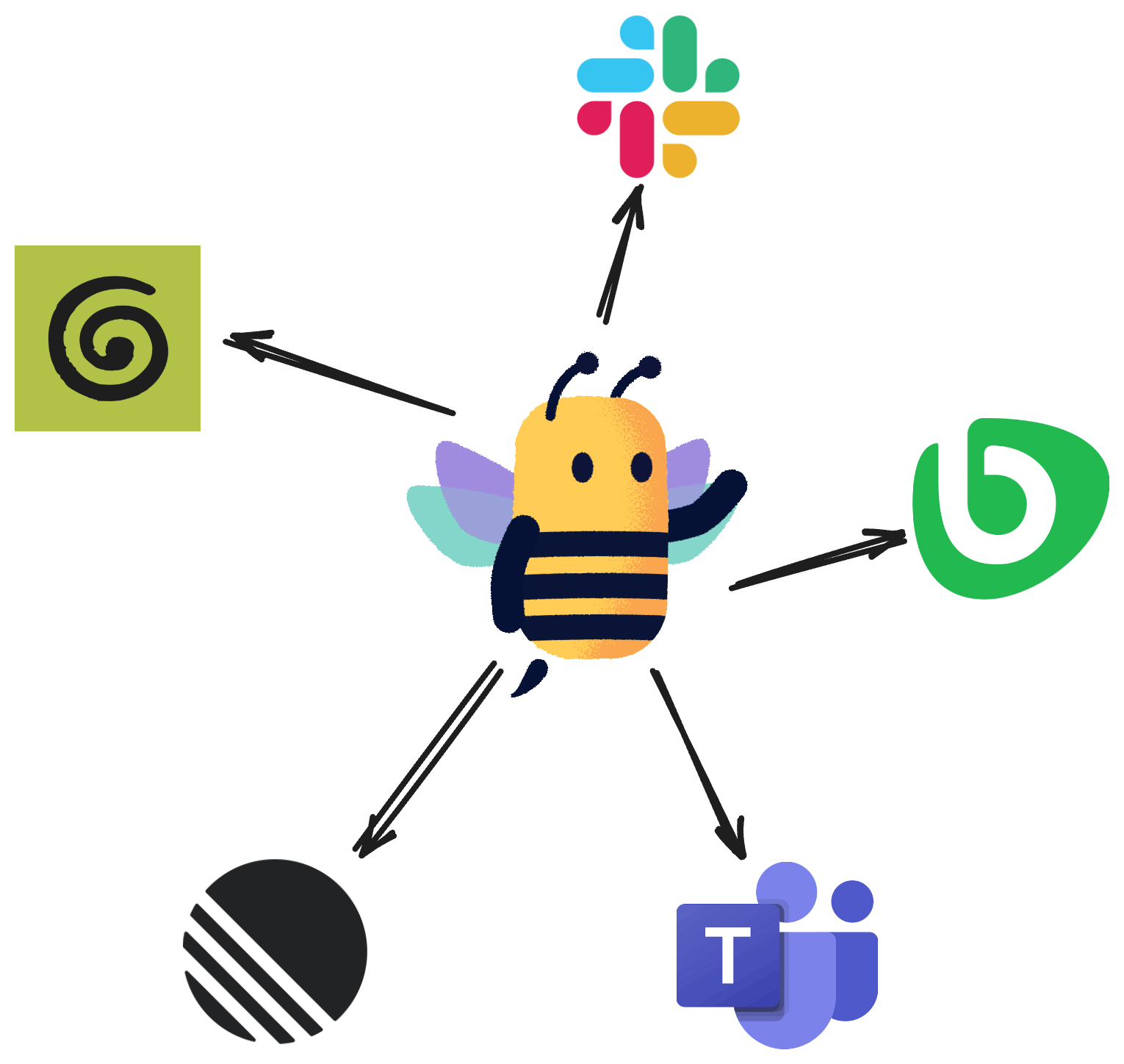
Bizy sees that its user showed up for people. And Bizy sees that other people showed up for its user. (On the term “Bizy’s user”: everybody has a Bizy. Everybody’s Bizy learns who its user is, and it adapts.)
It’s common for us humans to forget when people show up for us. And yet remembering and appreciating it is such a powerful way to build a relationship.
Bizy remembers when people show up for us.
I went on vacation last month. We were in the middle of getting Bizy ready for general availability, with a “Browse by People” feature being one of the last to complete. When I came back, my Bizy had this to say to me:
“Matt helped turn Browse by People readiness into a concrete launch plan while you were out. He took the zero-state question off your plate by messaging Frederick for design ideas, then also volunteered to investigate the non-admin MS Teams questions that could help with a sales question. You might consider recognizing him for keeping the rollout moving.”
Bizy saw all of that in a Slack exchange we had in our team channel about the rollout. And Bizy was right, I did appreciate that Matt kept things rolling while I was on vacation.
Bizy notices things even when connected just to Bonusly.
Yep, Bizy is better when people connect it with other apps. But the one app that, guaranteed, people have it connected to is Bonusly. So the question we asked is what can Bizy notice when it’s connected just to Bonusly?
Bizy notices bids.
Kent Beck wrote about bids a few months ago. He defined them as “those small moments when someone reaches out for connection. A comment about the weather. A shared observation. An invitation to notice something together.”
Kent goes on to say that “I started noticing more of these moments. Connection became possible in situations where I’d previously been oblivious…”

He realized that perhaps the bridge model was the healthiest way to think about investing in relationships. “I can unilaterally construct a bridge to another person. I can reach out. Make contact. Say something real,” Kent says.
“With the bridge in place, I can walk halfway across.”
“Half. Way. I can make an investment. Do something a little uncomfortable. Reveal something true about myself. Share an observation that matters to me. Ask a question that shows I’m paying attention.”
“And then I have to stop.”
“I have to stand in the middle of the bridge and wait.”
Yep. It’s up to the other person to walk to the middle of their half of the bridge; to put some effort into the relationship, too. This is true in life. This is true with work (which is also life).
Bizy is good at noticing when one person has walked halfway across the bridge and the other hasn’t. Recognition is effort being put into a human relationship. It’s a bid. The giver is walking toward the halfway point of the bridge.
Bizy notices unrequited streaks, one person repeatedly bidding by recognizing another, and where the other does not reciprocate. This imbalance matters with peers, as there’s no power asymmetry that might otherwise drive unbalanced behavior (managers recognize directs far more than directs do their managers).
Here’s an example of what Bizy notices:
“James has been in your corner a few times lately, from calling out your good catch to thanking you for covering morning shifts during a family emergency. I've also seen them keep the appreciation coming with a few other notes in that same spirit. I haven't seen you recognize James back yet. A quick note from you could make that appreciation feel mutual.”
It’s possible that, when Bizy told its user about James’s bids, the opportunity was shrugged off. But the reaction we almost always see in our data is the person just got busy and forgot, and they actually do want to walk across their half of the bridge.

When Bizy dreams, it notices. And when it notices, people’s work relationships get stronger. Does your AI dream?