Employee Appreciation Day happened, and by most measures, it went fine.
The shoutouts were plentiful, and morale was high: your employees felt celebrated and seen. A handful of managers even sent quality thank-yous to their team, and leadership wrote a thoughtful note to the company on Slack.
So, what do you do with that?
Most organizations don't have a good answer to that question. The day is over, and now it’s the weekend, and then the next week begins. Recognition settles back into whatever baseline it lived at before. That's the most common outcome, and it's also the biggest missed opportunity.
Employee Appreciation Day is worth more than a single spike in activity. Here's how to make sure it actually means something after the fact.
Start by measuring what happened
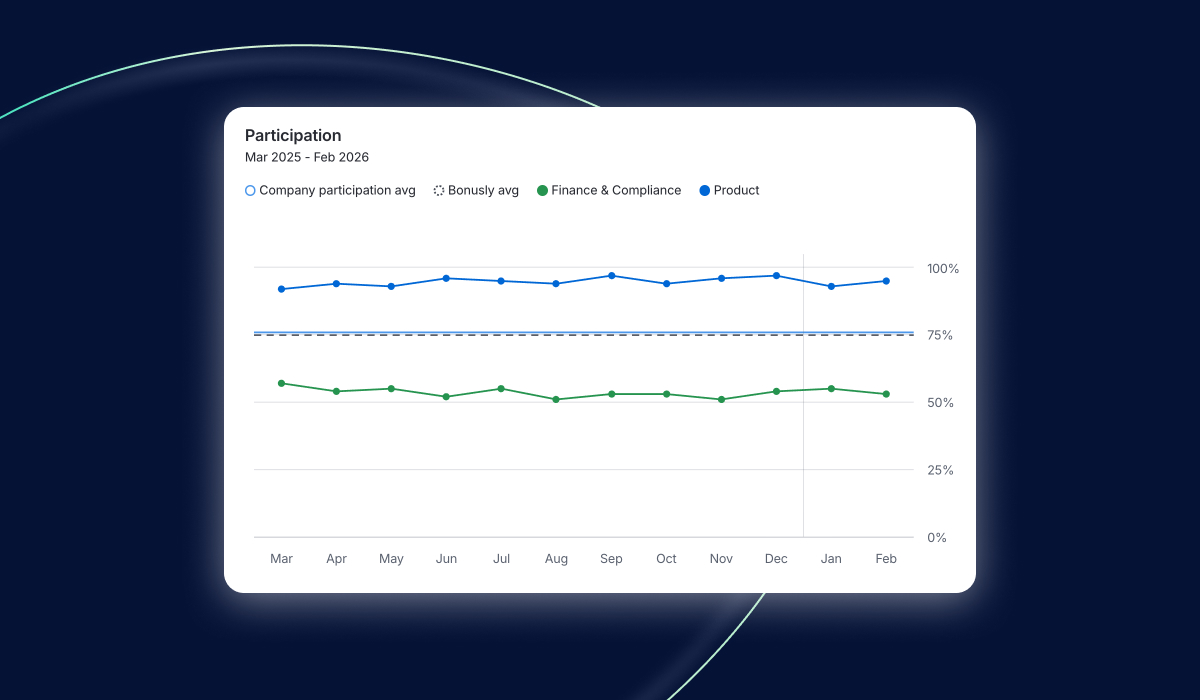
Before you move on, take stock. The data from a single high-participation day is genuinely useful. Here are a few things worth examining:
- Who participated, and who didn't. Broad participation is a signal that recognition feels accessible and fun. Low participation in certain teams or departments is a signal too, and it's worth understanding why. Was a manager skeptical? Did a team feel too busy? Did the day feel performative rather than genuine to some employees? You won't know unless you look.
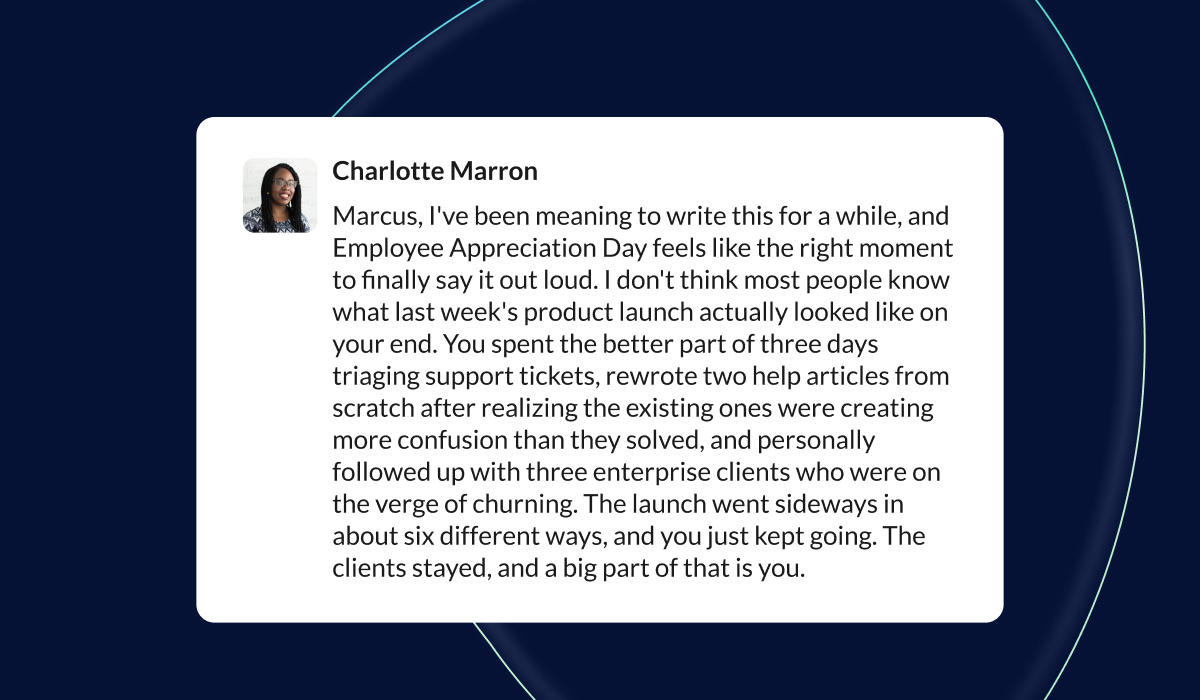
- The quality of what was written. Volume matters less than specificity. Scroll through the shoutouts to see whether the messages describe real behaviors or are generic thank-yous that could apply to anyone. A high volume of vague appreciation tells a different story than a smaller number of specific, values-connected recognition posts.
- How recognition flowed across the organization. Did appreciation move across teams and departments, or did it stay within existing relationships? Cross-functional recognition is one of the clearest indicators of a connected, collaborative culture. If most recognition stayed within direct teams, that's worth noting.
- Who got recognized, and who didn't. Every organization has employees whose contributions tend to go unnoticed. If those people were still invisible on Employee Appreciation Day, that's a gap your recognition practices haven't closed yet.
Ask the harder question: what are you going to do differently?
Here's the interesting thing about Employee Appreciation Day. If the habits and norms that showed up on March 6th were genuinely good, your next challenge becomes how to sustain those habits all year long.
One of the most practical things you can do is find the best shoutouts that came out of the day and share them. Pull out two or three examples of recognition that were specific, thoughtful, and values-connected. Highlight them in your next all-hands, or send them to managers as a reference point. Post them in your company Slack channel. Let the quality of those messages become the implicit standard for what recognition means here.
And if the habits and norms that showed up weren't quite there yet (if participation was low, the messages were generic, or certain teams barely engaged), the question becomes: why?
Here are a few questions worth sitting with:
- Do employees know what good recognition looks like? Most people want to appreciate their colleagues, but aren't sure how to do it well. "Thanks for your hard work" is the default because it's safe and easy. Organizations that build strong recognition cultures invest in actually teaching people what specific, meaningful recognition looks like.
- Are managers bought in? Manager behavior is the single biggest driver of recognition culture on a team. When managers specifically and consistently recognize their direct reports, it signals that recognition is valued. When they don't, even the most enthusiastic employees tend to dial back over time. If certain teams had low participation on Employee Appreciation Day, start with the managers of those teams.
- Is recognition connected to your values? Recognition that names a behavior and ties it to something the company actually cares about tells the entire company what those values look like in practice. If your recognition program isn't prompting people to make that connection, you're leaving meaning on the table.
- How often does recognition happen the rest of the year? One high-participation day a year doesn’t mean you have a recognition-rich culture. If Employee Appreciation Day was a significant outlier in your participation numbers, that gap is worth taking seriously. A recent Gallup study found that well-recognized employees were 45% less likely to leave their jobs, and those receiving high-quality recognition were 65% less likely to be actively looking for a new one.
Building a recognition culture beyond Employee Appreciation Day
Employee Appreciation Day works best when it sets a precedent for the rest of the year. Use the energy of the day to raise the floor on what recognition looks like moving forward: regular team meetings where contributions get named, managers who make specific appreciation a habit in 1:1s, and peer recognition that flows without needing a nudge from HR.
Getting there requires paying attention to recognition as a source of real organizational insight. And that's what Bonusly is built to surface—on Employee Appreciation Day, and on every ordinary weekday when the real work of building culture happens without anyone calling attention to it.
Employee Appreciation Day is over. What you build from it is up to you.