
It’s November, 2026. Up until about a year ago, the way we built software products looked a lot like it did 30 years ago. Run an IDE, set breakpoints, debug. Use version control systems to track changes. Deploy updates to Production systems. Write log files somewhere.
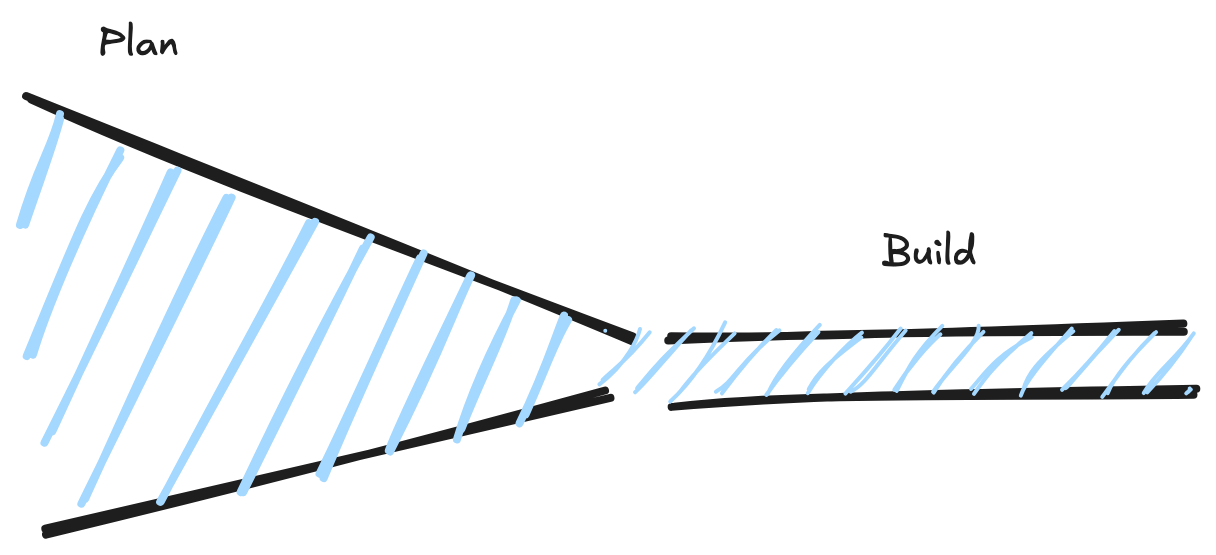
And everybody knew that building was the bottleneck. There was always more planned work than there was capacity to build it.
Asking “the question”
Then, in November 2025, Opus 4.5 was released. And AI became really good. We’ve spent the last 12 months responding to the possibilities. And much like we see in design processes, we diverged our workflows on purpose to explore. We shared lessons with each other about what models and skills and connectors were good. We asked questions, with the most salient of these being:
“How should we build software now?”
I think we know enough to answer that question. And we think the answer is going to be a step-function change in our calcified process. 2027 is going to look a lot different to the engineer who time travels from 1996 than 2026 did.
Why?
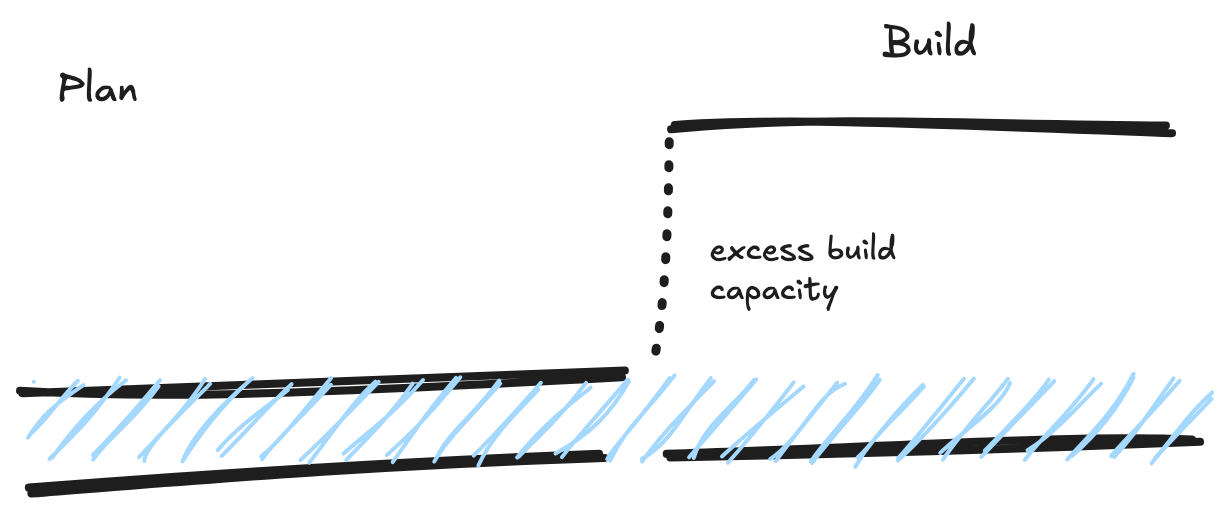
We build really quickly now. Our capacity to build outpaces our capacity to plan. And that excess build capacity is the reason our process will change.
Here are our YTD, merged-PR numbers comparing 2025 to 2026.
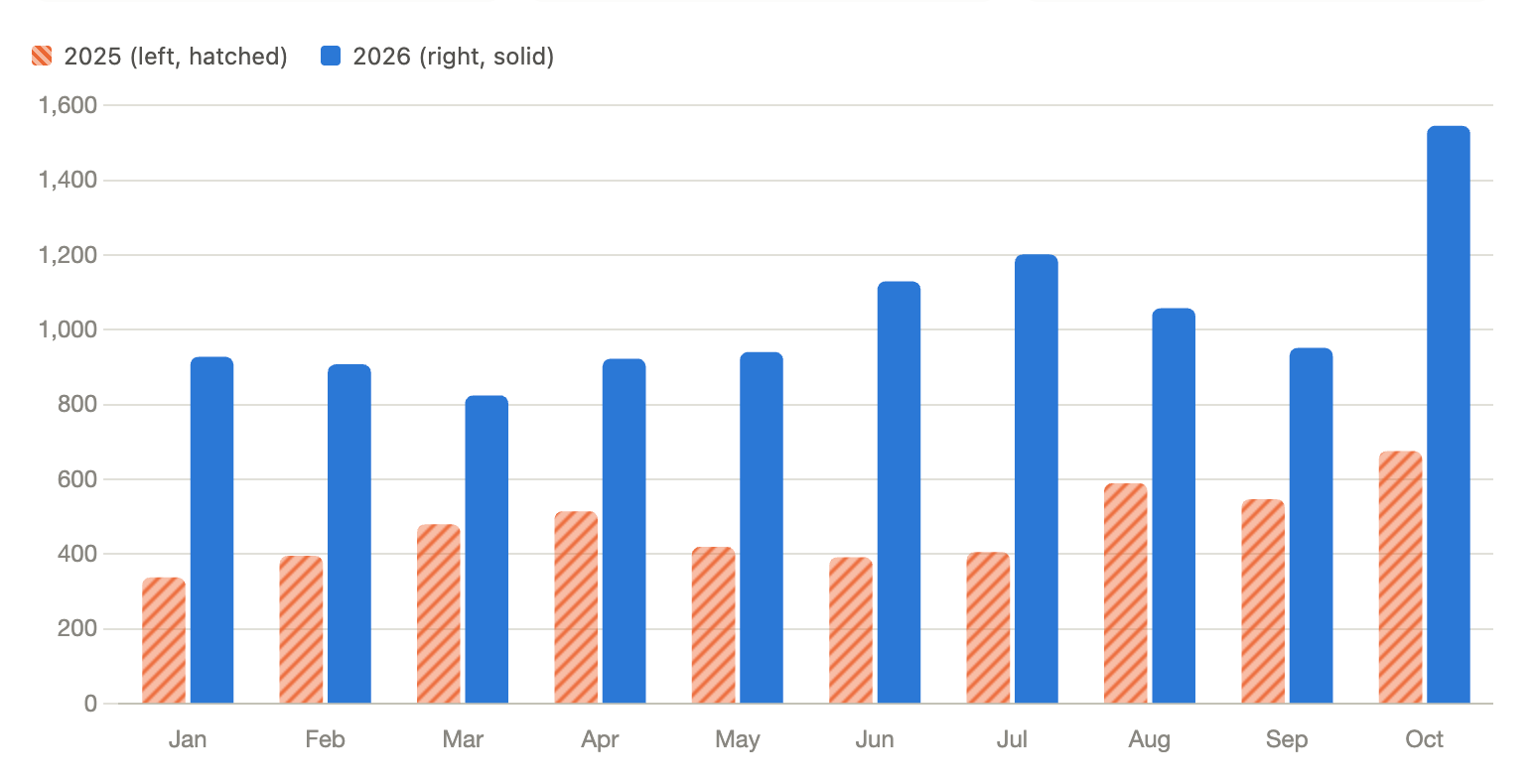
I think a lot of companies are seeing something similar. We have two fewer engineers this year than we did in 2025 (although we’re seeing more contributions from non-engineers). And yet we produced 2.2x more code in YTD 2026 than we did YTD 2025.
What’s clear is that more output does not intrinsically create more positive outcomes for customers. Picking a small number of problems to solve the right way does that.
Answer: turn builders into solution finders
So, the answer to the question is to pull our builders into the solution finding process, but through experimentation with code. Our planners will focus on problem-finding. Code is cheaper to produce than it ever has been. We’ll use it as a medium to find solutions to the problems we want to solve. And we’ll delete a lot of it; most experiments will be killed.
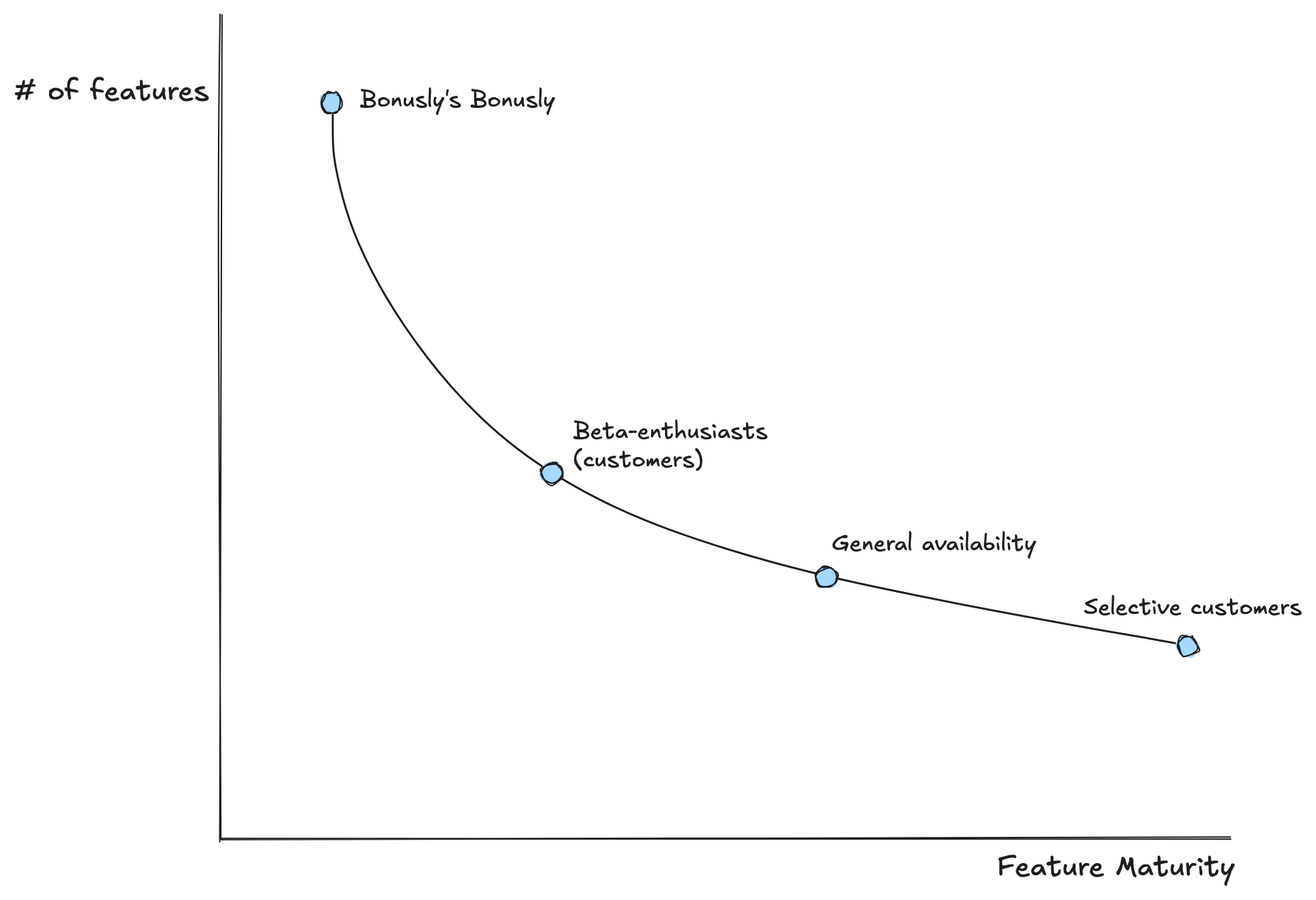
Buried in a talk he gave at a PM conference in 2026 (link), Linear’s CEO talked about how Linear’s Linear looks very different from ours. They sit with everything they build for a while before they decide whether or not to ship it to customers, and they often decide not to.
We’ll do the same to our Bonusly instance. The majority of features, if not all of them, will sit with Bonusly employees before we decide whether or not to ship them to customers. In fact, we’ll probably decide not to ship most of them.
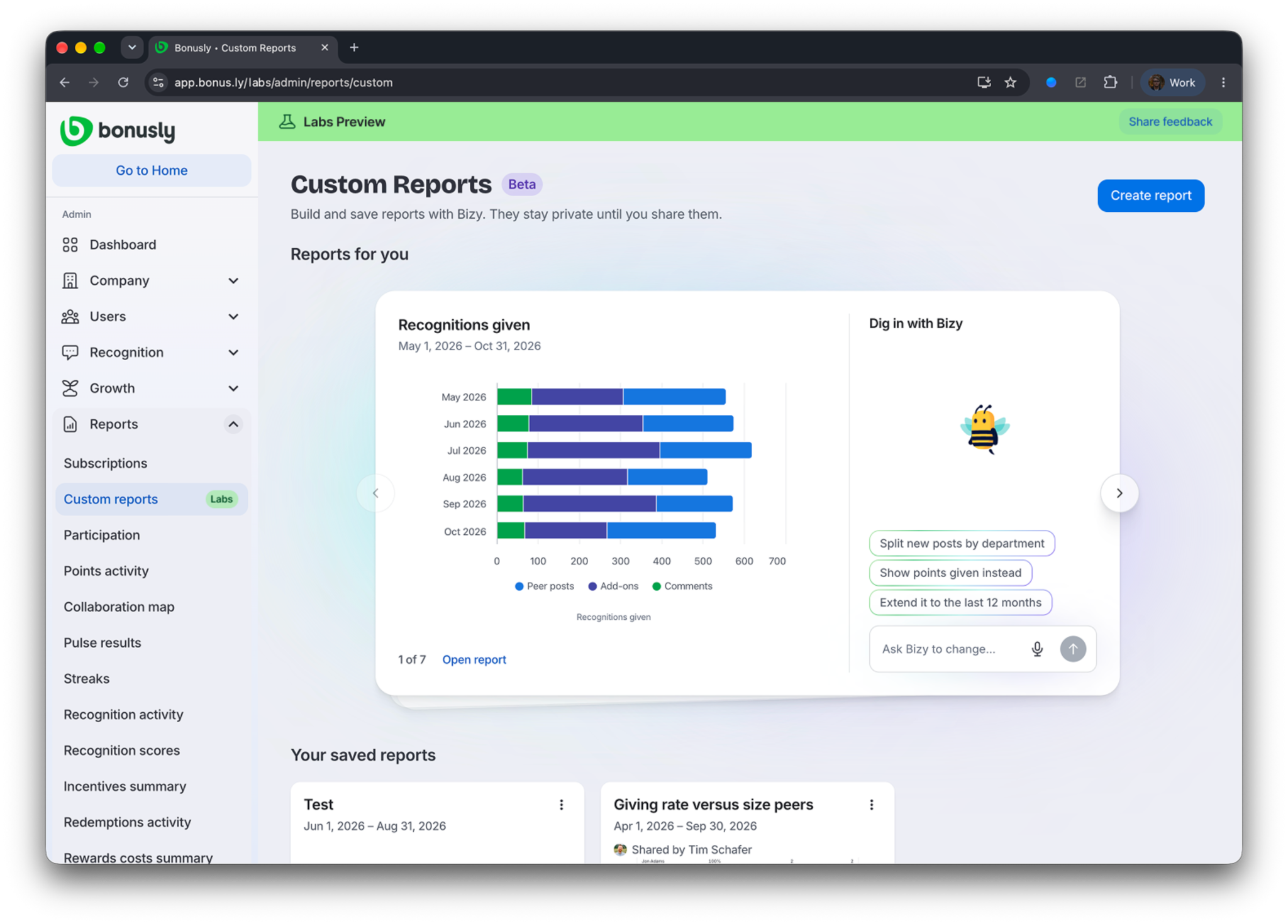
Experimental features will be demarcated as being part of Labs to make it a little easier to tell what is and isn’t customer-facing. Clicking the preview banner also reveals which team is behind the experiment, and lets the user give feedback.
Yes, when we’re confident the problem is worth solving, and that our solution is a good one, what we build goes straight to GA (general availability).
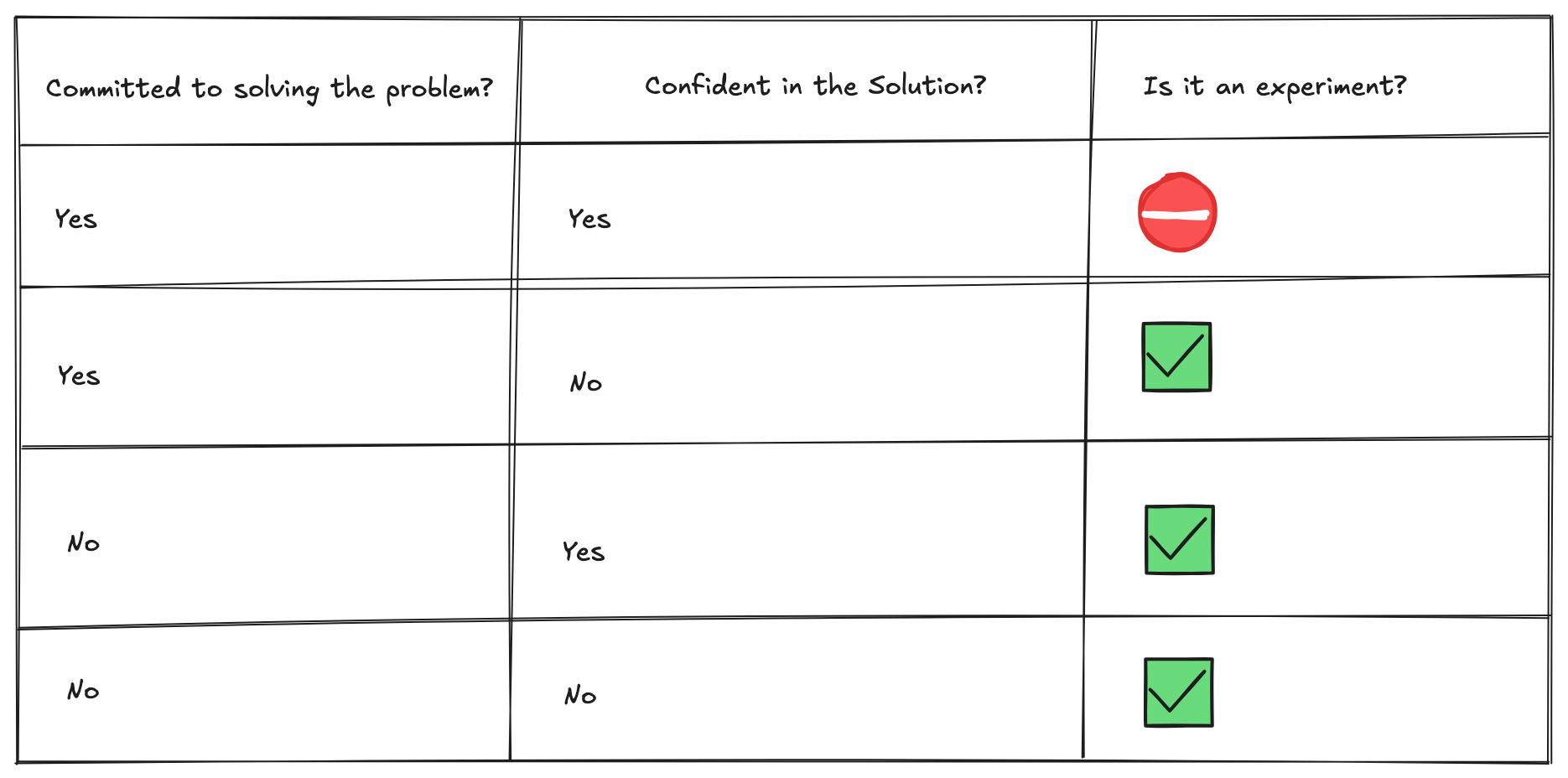
But we think this will be exceptional. Most of the experiments will come from problems we’re committed to solve, but where we have limited confidence in the solution(s) for them. Our PMs and designers continue to be problem finders, and our engineers use experimentation to become solution finders.
Keep or kill
If we’re serious about experimentation, then we’re serious about killing fully performant features. If we don’t, we bloat; we ship incoherence to customers.
In the beforetimes, days (even weeks) of work went into building a feature. We’ve been conditioned to ship what we build given the effort behind it.
Today, effort is de minimis relative to what it used to be. And this means we can consider built features to be objects for debate. It is ok to decide not to ship something that is built; to kill it.
Designers are used to scrutiny and criticism. If you’ve ever been to a design critique session (a “crit”), you’ve seen this in action. This is not something engineers are used to.
They’re going to have to get used to it.
Keep or Kill meetings, a new operating mechanic at Bonusly, will decide which features progress through the graduated lifecycle.
We’re going to kill a lot more than we keep.