January has a way of making everything feel heavier than it needs to be. New goals and new plans, but the same overloaded calendar.
If you’re a tech manager, you’re probably not looking for a big reset or a new foundational framework. You’re looking for small changes that make the day-to-day feel less chaotic, help your team work better together, and maybe take a little pressure off you in the process.
The good news is you don’t need permission, a rollout plan, or another tool. You just need a few solid habits to get started.
Here are five resolutions worth picking up this year if you want to start on stronger footing and make work better for your team.
1. Recognize good work when it happens
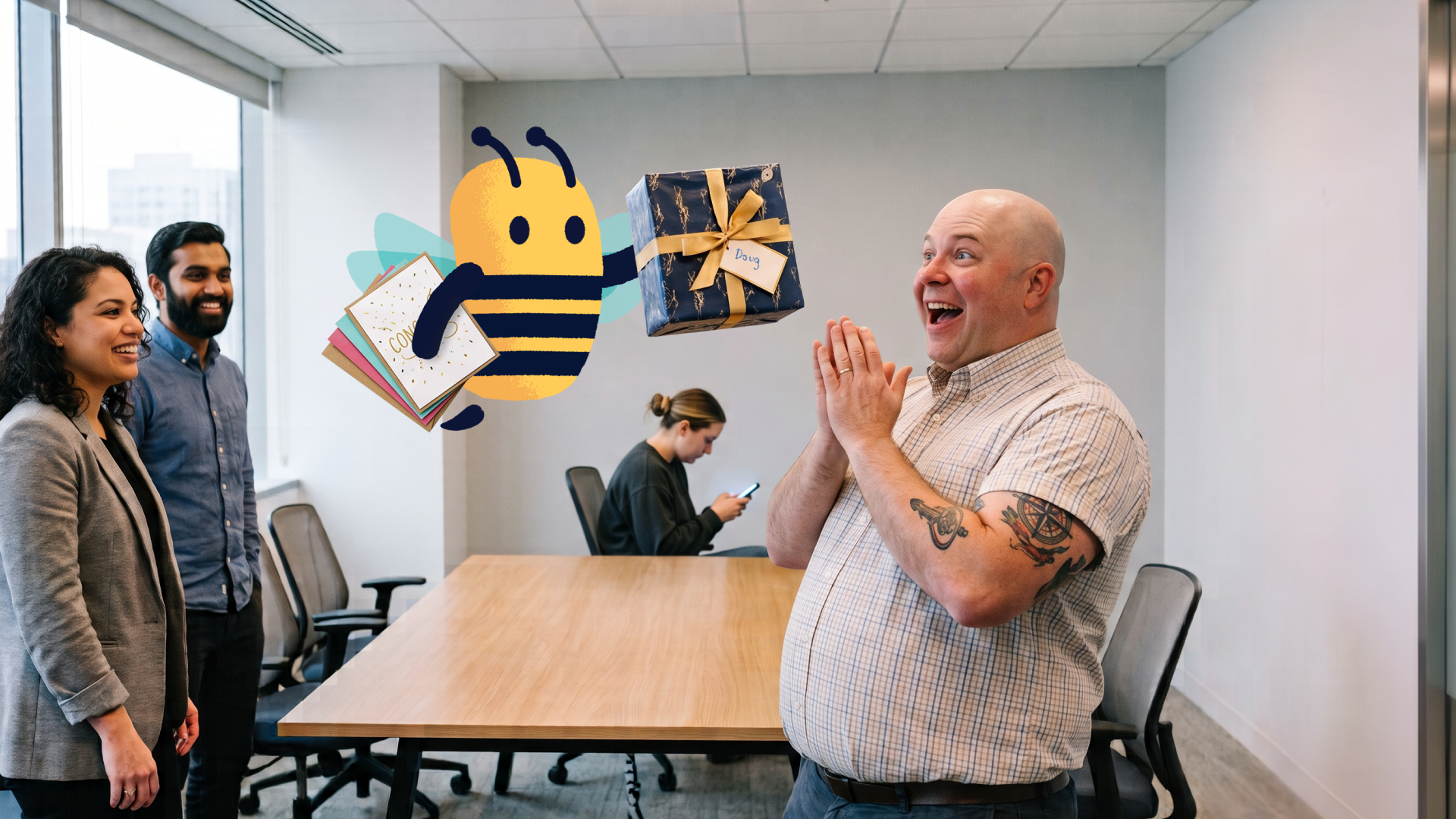
Most managers notice good work all the time. They just don’t always say it out loud before the moment passes.
This year, make recognition a reflex.
That doesn’t necessarily mean speeches or formal praise. It just means calling out specific work in the moment—during standup, in Slack, in a quick comment after a meeting.
When recognition is timely and specific, it makes expectations clearer. Your team will know what good looks like, and you reinforce the behaviors you want to see more of—without adding a ton of process or pressure.
If you do nothing else this year, do this: don’t let good work disappear into the scroll.
2. Treat 1:1s like conversations, not status meetings
If your 1:1s feel stale, it’s usually because they’ve turned into a weekly status update you could’ve gotten elsewhere.
A better resolution is to bring them back to the human side of the work.
That might mean fewer agenda items and more open-ended questions. What’s feeling harder than it should be right now? Where are you getting stuck? What’s going well that we should protect?
You don’t need a perfect format. You just need consistency and presence—a place where your team can talk honestly without it turning into a full-fledged performance review.
When 1:1s work, they save you time later. You catch issues earlier. You build trust before things get tense. You spend less energy guessing how people are really doing.
3. Give feedback in smaller, lower-stakes moments
A lot of managers avoid feedback because it feels heavy.
This year, try making it a little smaller.
Feedback doesn’t have to be a whole “conversation.” Instead, it can feel more like advice. It can be a sentence, in the moment, focused on the work rather than the person.
When feedback becomes a normal part of how work happens, it stops feeling scary—for you and your team. It’s easier to hear, easier to act on, and easier to give again next time.
The goal isn’t necessarily to critique more. It’s to help people adjust while the work is still in motion.
4. Run quick check-ins to stay ahead of problems
By the time a problem shows up in a retro, it’s usually been brewing for a while.
A simple habit that helps is running quick team check-ins.
Ask your team how the week felt, where energy is high, and where it’s dragging. What’s getting in their way? This doesn’t need to be a survey or a dashboard. It can be a recurring question in Slack or a quick pulse at the end of the week.
These small pulse checks help you spot patterns early—before burnout, frustration, or misalignment turn into bigger issues.
5. Use rewards meaningfully
Rewards work best when they support recognition, not replace it.
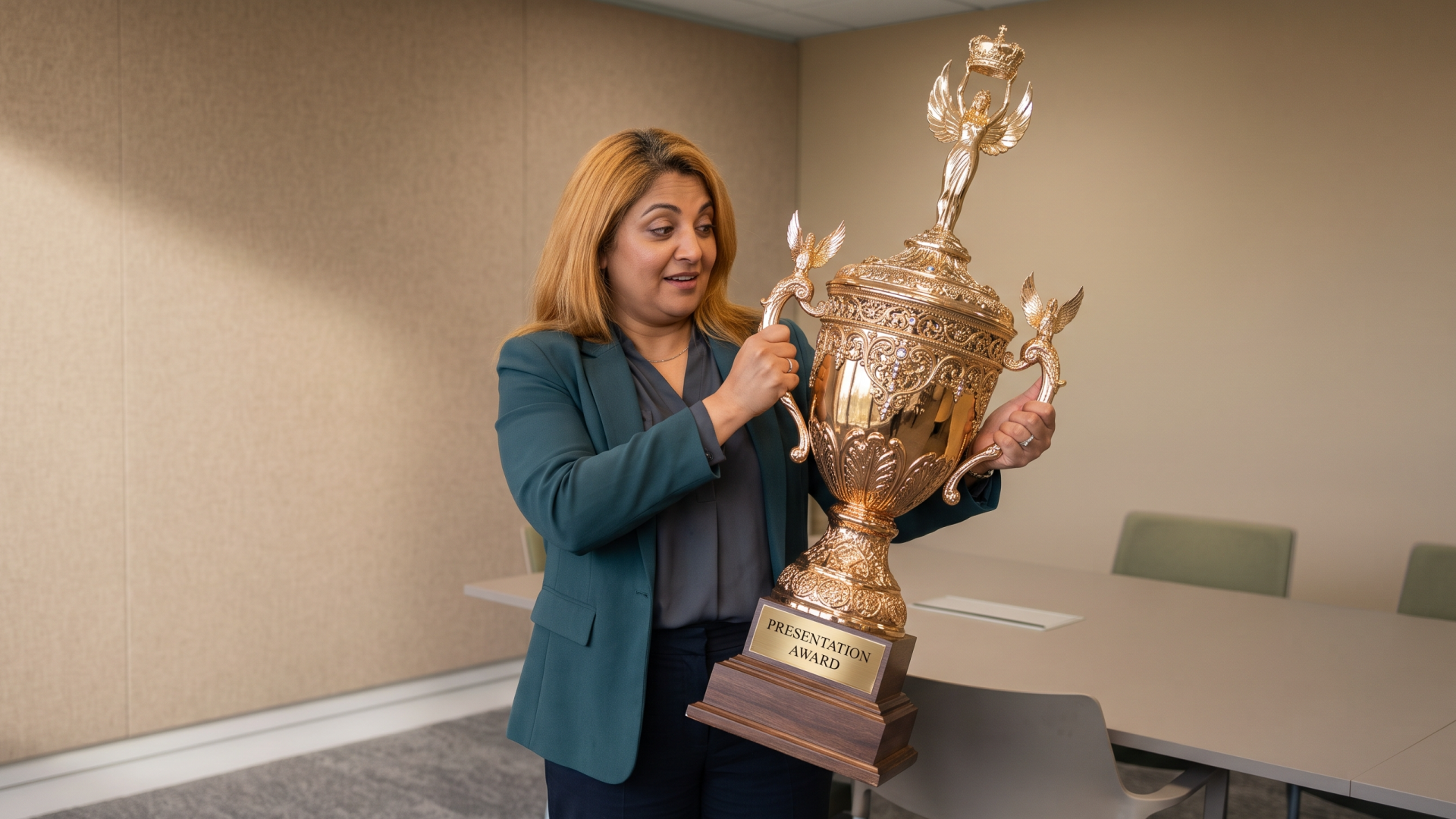
A small, thoughtful reward tied to a real moment—a tough launch, a big save, sustained effort—can reinforce that the work mattered. Not in a gamified way, but a human one.
Rewards shouldn’t feel random or transactional. They should feel connected to the work and the team’s shared goals.
Used well, rewards give recognition a little extra weight without cheapening it.
Start small. Stay consistent.
None of these resolutions require a new process or more meetings. They’re about building simple habits that make work feel more human, more connected, and more sustainable.
You don’t have to fix everything this year. You just have to make work a little better than it was last year.
That’s how better culture gets built—one moment at a time.
Want to see what better team habits feel like? Try Bonusly for free.
.jpg)